
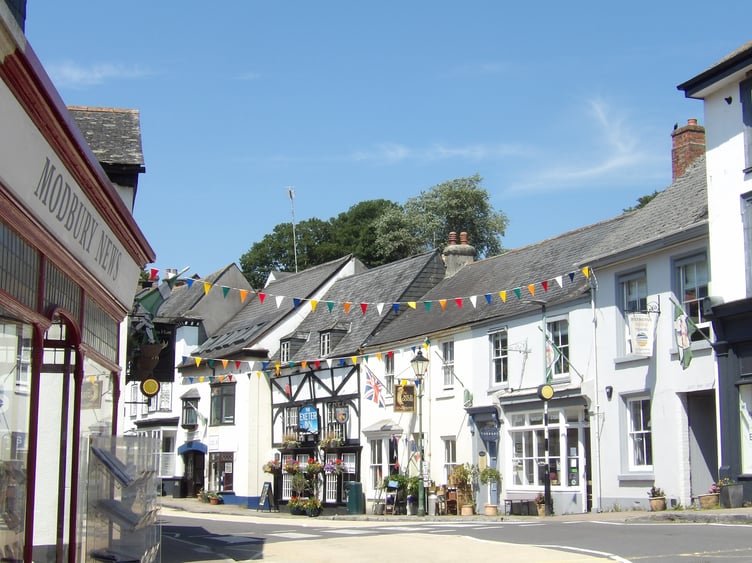
It’s a charming place to visit for locals and tourists alike - supporting the independent shops along a lovely narrow main road that cuts bisects the town.
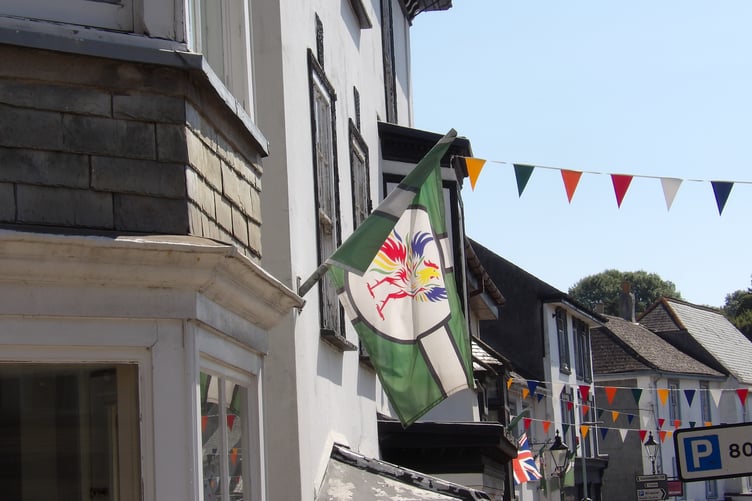
Nestled in the midst of rolling countryside, businesses proudly fly the green and white Devon flag from the pretty Victorian or Georgian buildings in the small town.
As the heatwave continued to hold last week, I visited Modbury - to learn why it’s the town that gets things right.
I took the number 3 bus, which conveniently runs every hour between Kingsbridge and Plymouth.
One of the first things I noticed was the emblem of a colourful cockerel in the centre of the Devon flags displayed on Church Street – this is the ‘Modbury Cock’ an emblem representing the town's history of illegal cockfighting during the 1700s.
I found the town folk to be very friendly, and when I asked what makes Modbury special, people told me it’s ‘as it should be’, describing it as a ‘genuine and unique place’.
Although the town has a relaxed vibe, the road cutting through Modbury is busy with traffic. As one local explained, it’s the only ‘single road’ from Kingsbridge to Plymouth – and I can imagine once the summer holidays begin the flow of cars and caravans will also pick up.
After stopping off in The Curator for coffee and some delicious polenta cake, I had a wander around the shops and the surrounding area as the hot sun reached its peak. I popped into Wild Goose, a colourful little store filled to the brim with vintage items, artwork, flowers and an array of attractive wooden boxes, perfect for gifts.
Owner Ty Freeman, who runs the shop with his wife Kay, told me he ‘escaped from Leicester’ 26 years ago, moving to Modbury in 1999, and taking on Wild Goose, however, the shop has been trading under the same name on Church Street for at least 90 years.
Ty said: “Modbury is a genuine place; it’s got heart and a real Devon feel. The town has changed a bit though; when I first moved here it was full of characters, but it’s kept its uniqueness. The only thing people complain to me about is the car park needing better signage.”



The car park, named Poundwell Meadow, is just off the main Church Street in the town – and it costs £2.60 for two hours or £7.80 for all day, according to the South Hams District Council. There are signs to direct drivers to the car park, but the narrow turn-off could be missed.
A few shops along from Wild Goose is the glam Hatton Jewellers – and owner Deborah Hatton agreed that better signage to Poundwell Meadow parking could be helpful.
Deborah told me her thoughts on trading in Modbury, explaining how trade in the town ‘has grown’ with ‘continued support from locals’ and ‘repeat tourist trade’.
She added: “Some half a dozen new shops have opened here over the last five years, since I took on Hatton Jewellers. Modbury is a unique town with a lot of independent traders. The no plastic bags (handed out in shops) is also great.”
I wandered, taking a turn off Church Street to the Modbury Millennium Meadow where a sign describes a ‘great variety in such a small place’ and explains that the meadow is maintained by volunteers in the town.
It was absolutely scorching as I walked into the first small field – and actually too hot on this particular day to explore the whole meadow area which features a stream, orchard, woodland and wildflower patches. The Modbury Millennium Meadow has a peaceful vibe and many different habitats to help wildlife thrive.
I made my way back to the shops and spoke with a man who lives in Modbury; he told me that he came to visit Salcombe years ago from Scotland and passed by Modbury at the time. As soon as he saw the town, he said (years ago) ‘I shall buy a house here’ – and he did.
“Everyone is so friendly here, and everyone says good morning”, he told me, adding that the only drawback is the main road through the town being “so busy and the only single route from Kingsbridge to Plymouth”.
Of course, Modbury has been linked to Plymouth and other surrounding towns historically over the centuries, trading wool in times gone by, and since mediaeval times, the market town has been a place where traders bought and sold their wares. Even now, a regular market takes place during summer with an array of outdoor stalls every Saturday morning (until September 17) located in the car park behind the White Heart pub.
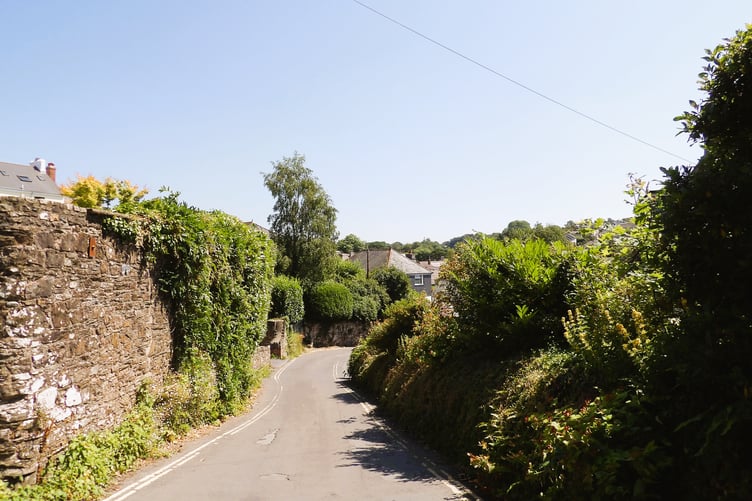
In the 1600s, Modbury was embroiled in the English Civil War conflict; the town was occupied by Royalists and Parliamentarians as battles were fought – and Modbury’s Runaway Lane, an ancient wooded path, is named after some 10,000 retreating Royalist soldiers who escaped along this lane hundreds of years ago.
Runaway Lane is a few minutes’ walk from the town’s St George Church, which is also steeped in history, with much of the building dating back to the 14th century. As I walked back from this part of the town, taking care to keep out of the way as large SUVs passed me on the narrow road, I made a mental note to visit Modbury more often.
I got to the bus stop just in time for the 12.07 back to Plymouth, but as I was waiting for the bus to arrive, I asked another visitor from Plymouth what they thought of
Modbury. He told me that he visits the town often, describing Modbury as a ‘place with character’.
“It’s as it should be (here in Modbury)”, the man said, adding that in a country where “Ministers should pay more attention to what the common folk want”, this quintessential Devon town has “got it right”.
Comments
This article has no comments yet. Be the first to leave a comment.