
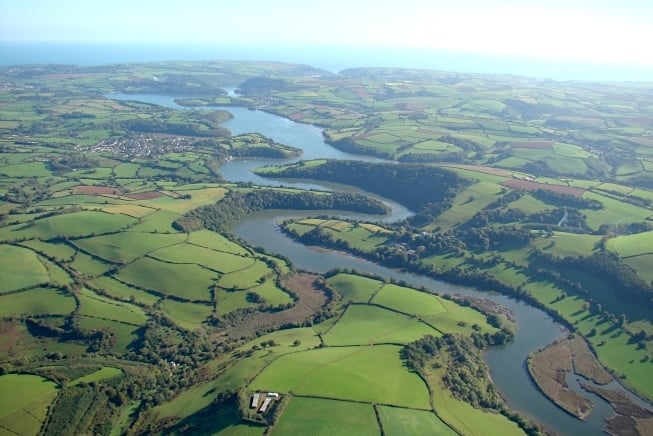
A new online tool bringing together data on sewage spills in the River Dart has opened up fresh questions over how quickly problem sites are being addressed.
River Hub, launched by Friends of the Dart, combines information on storm overflow spills, rainfall, population, pollution permits and planned improvements to give the public a site-by-site picture of sewage pollution.
The campaign group says its analysis has identified 33 storm overflows with “serious problems” but no clear improvement plan or timetable for addressing them.
South West Water disputes the implication that the sites lack planned action, saying nearly all the overflows featured on River Hub are either already being investigated or are scheduled to be investigated.
The company said it is investing £760 million to tackle storm overflows and had reduced spills by 17 per cent in the last year, with spill duration down by 25 per cent.
“Nearly all storm overflows featured on the River Hub are either in progress or scheduled within our investigation programme, to understand if there are cost-beneficial solutions for future investment periods,” South West Water said.
It added that it is working through its current investment programme for delivery in 2027, 2028 and 2030, and said nearly half of the “gaps” identified by River Hub are included in the Water Industry National Environment Programme under Environment Act drivers.
Friends of the Dart says the lack of publicly available site-by-site information was one of the reasons it created the tool.
Friends of the Dart founder Robert Worthington said he and co-founder Hannah Pearson had previously met with South West Water to asked the company to work on a “time bound plan” for common spill sites.
“Despite a year or so of further discussion, nothing ever came of this,” he said.

.jpeg?width=209&height=140&crop=209:145,smart&quality=75)


The group then decided to build its own system, with Mr Worthington saying the initial River Hub took about a month to put together.
Among the sites highlighted is Kilbury Sewage Treatment Works in Buckfastleigh, where Friends of the Dart says its analysis shows 260 spills without rainfall in each of the past seven years.
The tool also identifies several pumping stations in Dartmouth which the group says regularly spill when the sewage treatment works itself is not spilling.
Friends of the Dart says this could indicate insufficient pumping capacity, although it acknowledges this is an interpretation of the available data rather than a confirmed cause.
The group uses three indicators to identify sites it considers problematic: spills during dry weather, pumping stations spilling before sewage reaches treatment works, and whether permitted treatment capacity appears sufficient for the population served.
South West Water said it has previously carried out, and continues to conduct, investigations on the River Dart, including microbial source tracking to identify pollution sources.
“We welcome people taking an interest in the health of local rivers and waterways,” it said, adding that its WaterFit Live platform provides information including near real-time storm overflow data and details of its investment programmes.
Friends of the Dart is calling for the Government to require water companies to publish equivalent information for every storm overflow in the country.
It has submitted a petition to Parliament calling for a national site-level plan with timescales for addressing individual overflows.
Mr Worthington said River Hub was intended to show that such a detailed picture was possible.
Comments
We've recently changed our login process. If you have an account for commenting, you will need to re-register on the login window.
This article has no comments yet. Be the first to leave a comment.