

The National Trust has outlined plans to create 5,000 hectares of new wildlife habitats in the South West.
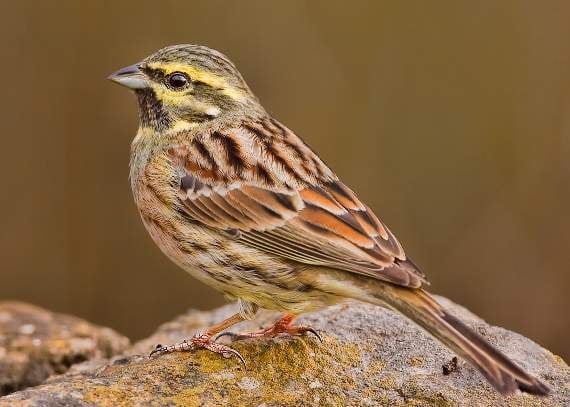
One major success so far is the rise in the population of the Cirl Bunting, a little yellow and brown bird first recorded near Kingsbridge by George Montagu in 1800.
The cirl bunting, whose population dropped to barely 100 pairs in 1991 and were found in just a narrow coastal strip in South Devon, now have 1,078 breeding pairs, recorded this summer. This passes the 1,000 pair target that the RSPB set when it launched the Cirl Bunting Project nearly 25 years ago.
The project is one of the best examples anywhere of how farmers and conservation groups can work together and achieve breakthrough results; it is also shines a light on how we can achieve a better future for nature in the farmed countryside.

Nick Bruce-White, the RSPB’s South West regional director, said: “The cirl bunting’s recovery is a wonderful example of farmers and conservationists working together.
“This summer’s survey results show clearly the impact we can have when collective focus is placed on researching and implementing solutions to the loss of nature in our countryside.
“What is so satisfying about this story is how the cirl bunting has recovered thanks to the efforts of farmers. Sadly, farming and nature conservation are often unfairly portrayed as representing conflicting interests – the success of the Cirl Bunting Project is a spectacular demonstration that nothing could be further from the truth.”
As one of the country’s largest landowners, the National Trust wants to play its part in addressing the dramatic slump in British species and improve soil and water quality in the countryside. An in-depth study of UK species last year found 56 per cent were in decline, while 15 per cent are at risk of disappearing altogether.
The conservation charity, which was set up to protect places of natural beauty, hopes to create and restore “Priority Habitats”, areas identified by the government as threatened and in need of conservation support, on 10 per cent of its land.
The aim is that at least 50 per cent of farmland will be ’nature-friendly’ by 2025, with protected hedgerows, field margins, ponds, woodland and other habitats allowing plants and animals to thrive.
Peter Nixon, Director of Conservation of the National Trust, said: “Our charity was founded to protect our natural heritage and we believe we should be playing an active role in reviving it – by doing what we can on our own land.
“Nature has been squeezed out to the margins for far too long. We want to help bring it back to the heart of our countryside. Despite the battering it’s taken over many decades, nature has an incredible ability to rejuvenate and revive if given the conditions to thrive.
“Birds such as the cuckoo, lapwing and curlew are part of the fabric of our rural heritage. But they’ve virtually disappeared from the countryside. We want to see them return to the fields, woods and meadows again, along with other wildlife which was once common and is now rare.”
You can find out more about the National Trust and their plans for the future of British wildlife on the website: www.nationaltrust.org.uk
Comments
This article has no comments yet. Be the first to leave a comment.