.jpg)
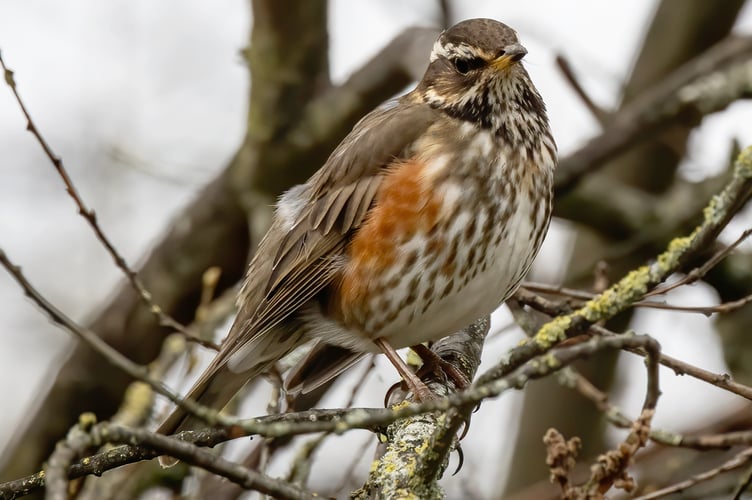
‘First sightings, back lanes and winter walks’, these are the things that have marked the end of 2025 and start of 2026 for our correspondents so far.
As the year began, Mike Hitch, Alice Henderson, and Fiona van Es had been out observing wildlife, recording both the ordinary and the unexpected.
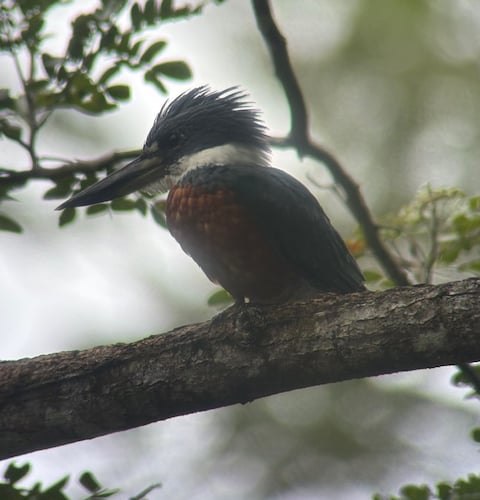
Mike Hitch kicked off the beginning of his year far from home in Costa Rica. After visiting Curu Wildlife Refuge, he spent a day with his guide, Ernesto, exploring Montezuma. The first highlight came quickly: a pygmy owl, small and alert, drawing alarm calls from other birds nearby. Later, by a small lake, a mallard paddled while a ringed kingfisher perched on a branch, and an anhinga preened on a stump. Mike also recorded a collared aracari feeding on papaya and pale-billed woodpeckers by the roadside. The walk down to Montezuma Waterfalls brought encounters with a fruit bat, a blue-crowned motmot, and a long-tailed manakin performing its mating display. Even the waterfalls themselves, with pools and cascades, were part of his careful observations. Each sighting, each behaviour, was noted with attention, showing how much can be learned from time in the field.
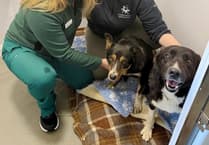


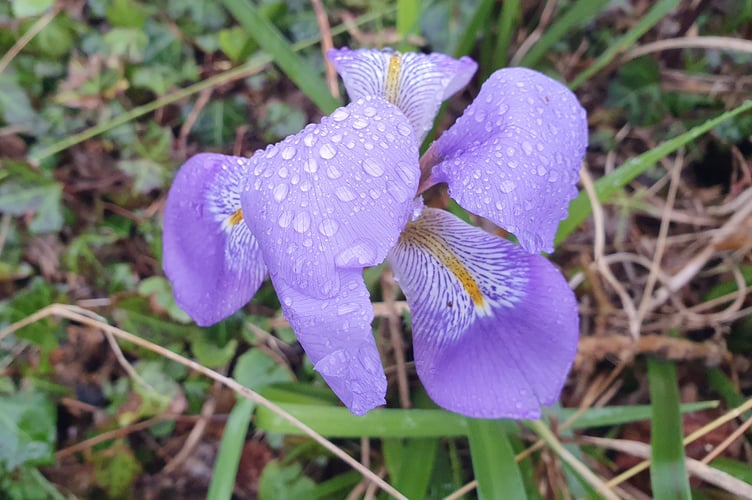
Closer to home, Alice Henderson focused on local back lanes. On 21 January, she explored Mill Lane in Frogmore, following streams and puddles, and watching winter birds. She counted long-tailed tits and chiffchaffs, observed blackbirds and redwings feeding on haws, and spotted goldcrests and firecrests in hedgerows. Overhead, large numbers of wood pigeons gathered in trees and on power lines. Alice noted the effects of recent rain on water clarity, the blocked access through a locked gate, and small signs of plant growth, an iris in bloom and early snowdrops pushing through ivy. Her diary shows that even short walks close to home can be full of detail, from numbers and species to seasonal changes in plants.
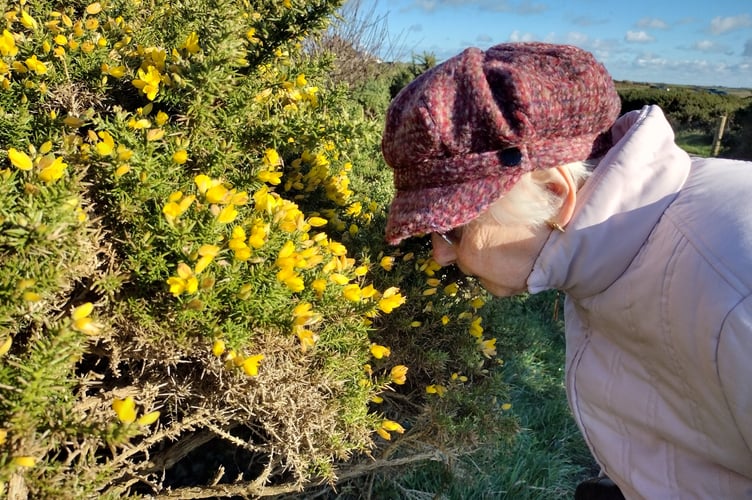
Fiona van Es took to the coast at Bolberry Down in cold, clear winter weather. Walking with her mother on the level coastal path towards Hope Cove, she recorded conditions carefully: gorse mostly stripped of dodder, one bush still flowering, and burdock seed-heads clinging to the roadside. Benches along the path allowed rest while observing the sea and cliffs. Fiona also noted the effect of past fires on the landscape and the stillness of winter, with no bird calls or insects active. Her focus on accessibility and safety shows that nature observation can include practical considerations alongside wildlife spotting.
Looking across these diaries, a few things stand out. All three correspondents were focused on recording species, behaviour, and the environment. Mike noted birds, bats, and river systems in Costa Rica. Alice recorded hedgerow and field species, water levels, and early plant growth in Devon. Fiona kept track of coastal conditions, plant regeneration, and the layout of accessible paths. Together, they show that careful observation can be done anywhere, whether far afield or close to home.

Taken as a whole, the diaries provide an excellent snapshot of wildlife activity in early 2026. Migrant birds are arriving, winter residents are feeding, plants are starting to grow, and habitats are recovering from past events. Details on species, numbers, behaviour, and environmental conditions provide a baseline that can be used to track changes in the months ahead.
These first entries also show the value of recording locations, species, and conditions, as Mike, Alice, and Fiona have done. This makes it possible to spot trends in wildlife activity and habitat changes over time. Early-year observations, from tropical forest to back lane and coastal path, give a clear view of what is happening in different places at the same time.
We look forward to future Nature Diaries across the coming year and the continued record of how wildlife and habitats respond to the changing seasons.
Comments
This article has no comments yet. Be the first to leave a comment.