
Who’s heard of the Devon and Torbay Combined County Authority? If you have, do you know what it actually does? It’s all part of the much-talked-about devolution agenda. We were promised a new dawn of extra funding and more local decision-making. At last, Devon would have a stronger voice at Westminster. So far, so good.
Unfortunately, as we have come to expect, devolution has slipped neatly into the world of government doublespeak. There is no extra money, and decisions risk being taken even further away from the people they affect.
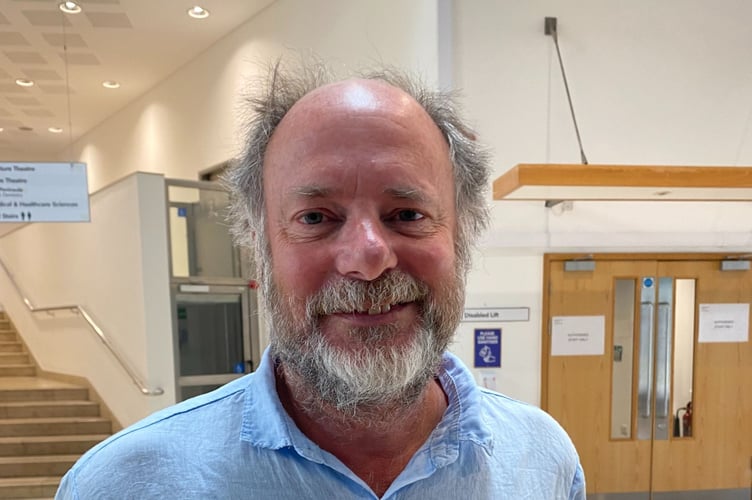
As leader of Devon County Council, I sit as vice chair or chair, on a rotating basis, of the DTCCA Board. That gives me a front row seat to what is really going on. At the end of March, we signed off on the budget for 2026 to 2027. On paper, the authority will be in credit by the end of that financial year. The reality is less reassuring. It is living beyond its means.
Reserves and carry forwards are being used to balance the books, with a predicted deficit of nearly £500,000 by 2028 to 2029. My concern is simple. Devon and Torbay councils may be expected to pick up the tab. In other words, local taxpayers could end up funding an organisation that has yet to deliver any clear, tangible benefit.




We were told this would not be another layer of bureaucracy. Yet if it looks like a duck, swims like a duck and quacks like a duck, then it probably is a duck.
Running costs are around £1 million, but the government grant is just £390,000. That gap tells its own story. Even more concerning is that more than £200,000 of those costs are earmarked for an external audit. More than half of the government funding disappears on auditing alone. To achieve what exactly? I have made it clear that we should not accept such an excessive fee. It feels like yet another example of the private sector extracting money from the public purse.
Alongside this, there are vague suggestions of transport levies or management fees to plug future gaps. I supported this year’s budget because it does not directly cost local people. However, I have also made my position clear. If there is any attempt to draw further funding from Devon taxpayers, I will not support future budgets while I remain leader.
Under the governance arrangements, the authority would struggle to set a budget without that support. That would raise serious questions about its ability to meet its legal responsibilities. To return to the earlier analogy, would that leave us with a dead duck?
I have been invited to meet the minister in Torbay at the end of April to discuss the authority. It is always good to talk, and I am keen to hear what the government’s plan really is. We were promised a mayor, along with additional powers and funding. Those promises now feel distant.
The key questions remain. How will this authority be funded, and what real powers will it have? Simply expecting local areas to fall into line is not good enough.
Then again, perhaps the minister is coming to see how Devon does things. A balanced budget, controlled borrowing, investment in children and infrastructure, and a council that works across political lines. That is the Devon way.
Comments
We've recently changed our login process. If you have an account for commenting, you will need to re-register on the login window.
This article has no comments yet. Be the first to leave a comment.