
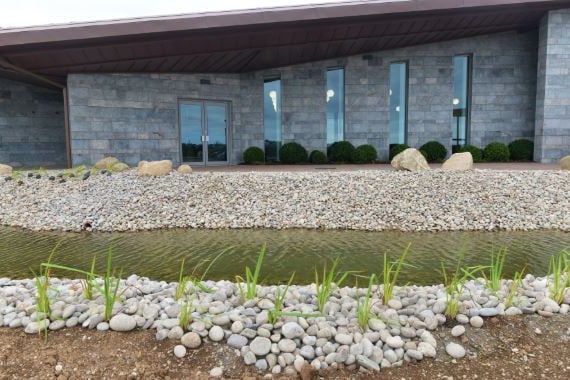
Plymouth City Council is slashing the cost of direct cremations at its new £29 million crematorium The Park because it’s losing business to rivals.
Direct cremations, where there are no mourners and no service, are growing in popularity but families are looking elsewhere as prices become more competitive.
In order to stop the reduction in the council’s share of the market, it plans to drop prices by up to £200.
The price of a direct cremation (unattended), will reduce from £550 to £350.
For a direct cremation with a small intimate group of mourners (attended) the cost will be £650 instead of £770.
The council expects to lose £20,000 in income in the short-term but says this action will make The Park at Merafield Road more attractive to families and predicts a £44,000 increase in 12 months if numbers of direct cremations return to the level of last year.
The decision was made by cabinet member for health and adult social care Cllr Maria Lawson (Lab, Plymstock Dunstone) under executive power.
The pricing change is understood to be more in line with competitors.
Council papers said that the impact of other providers’ pricing strategy has shown a marked reduction in the council’s share of the direct cremation market.
Lower cremation costs allowing funeral directors to retain a higher margin was also likely influencing crematorium selection away from The Park.


Availability for direct cremations will also be increased throughout the day to attract business back. This could be achieved whilst maintaining the full funeral service offer for which the existing charge would remain, it said.
Prices of cremations and funeral services at The Park currently range from £550 to £1,630 and there are a range of ceremony rooms and a wake facility available. The site even has a cafe and is set in 17 acres of grounds with dedicated memorial areas.
The contemporary Park building was completed in 2024 replacing older sites at Weston Mill and Efford.
Costs of construction soared from £12.7 million in 2018 to £29.4 million on completion with factors such as Brexit, the Covid pandemic, supply chain disruption and rising energy prices blamed for the increase.
Comments
We've recently changed our login process. If you have an account for commenting, you will need to re-register on the login window.
This article has no comments yet. Be the first to leave a comment.