

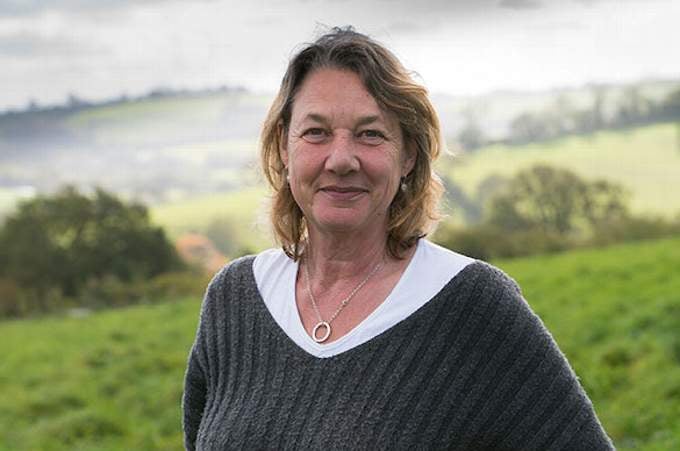
Praise has been heaped on a ‘tool-kit’ book written by biodynamic farmer, Marina Brown-O’Connell, who has transformed ‘a miserable bit of land’ into a thriving farm.
Since moving into the Dartington-based Huxhams Cross Farm five years ago, Marina has turned the bare land into a fertile, biodiverse, carbon neutral and resilient farm, growing local, sustainable food including fruit, veg, wheat and eggs along with cut flowers.
Marina also runs the pioneering Apricot Centre from the farm, which aims to provide for and support the mental wellbeing of families and children who visit the farm for therapy, education or recreational purposes.
In her book ‘Designing Regenerative Food Systems - and why we need them now’ Marina weaves inspirational stories of redesign and transformation, showing how regenerative methods for agriculture and food have come to life.



-Cleared-for-use-by-LDRS-partners.jpeg?width=209&height=140&crop=209:145,smart&quality=75)
Described as a useful, unique toolkit of six resilient food production systems – agroecology, organic, biodynamic, agroforestry, regenerative and permaculture – the book shows how healthy soil can capture carbon and grow good food.
The book, which is aimed at farmers, gardeners, students, smallholders, and lecturers in agriculture, has received many endorsements, including one from Totnes-based Rob Hopkins, co-founder of the Transition movement.
Rob said: “It is hard to underestimate how profoundly important the urgent and ambitious reimagining of food and farming systems is, how we might do so in ways that are regenerative, restorative and transformative.
“How to create farms and gardens that build soil, community, and possibility?
“This book is your opportunity to learn from a master.
“What Marina O’Connell has created at the Apricot Centre is nothing short of miraculous.
“In these precious pages she shares everything you need to know in order to do the same.
“May this book spark a revolution of the agricultural and horticultural imagination.”
Colin tudge, Oxford Real Farming Conference co-founder, also endorsed the book, saying: “This excellent regenerative farming design toolkit is just what’s needed for the coming agro-ecological revolution.”
In her book, Marina her own farm as a case study to show how dead soil was transformed into a thriving, fertile land; and identifies the four challenges of climate change mitigation and adaptation, offsetting biodiversity loss and producing enough good food.
Comments
This article has no comments yet. Be the first to leave a comment.