

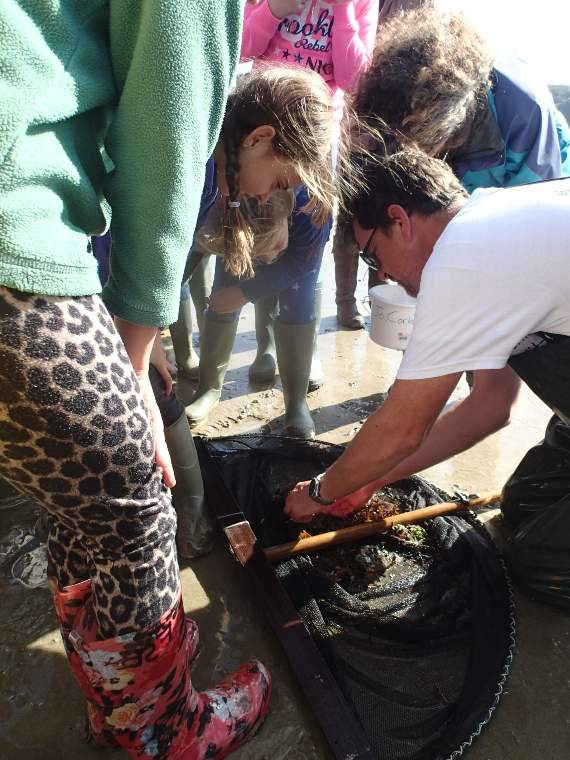
MORE than 1,100 different species were identified at North Sands in Salcombe, at the Marine Biological Association’s seventh Bioblitz event.
The main aim of the event, attended by more than 250 people in September, was to take a snapshot of the area, and to raise public awareness of biodiversity, science and conversation.
North Sands, located within the Salcombe-Kingsbridge Estuary, is part of the South Devon Area of Outstanding Natural Beauty, is a Site of Special Scientific Interest, a local nature reserve and also part of the South Devon Heritage Coast.
With no large river feeding it, the estuary is, unusually, almost entirely a marine system, possessing a very rich and diverse intertidal and sub-tidal flora and fauna, with certain communities being outstanding examples of their type in the north-east Atlantic.



The lower estuary, where the survey took place, is characterised by rocks and sandy bays, home to unusual and important species including eel-grass, fan mussels, sea potatoes and an array of rare marine alga.
A marquee was setup on the green at North Sands beach and used as a base camp, equipped with microscopes, cameras connected to screens, reference materials and survey equipment for all to use.
Inside the marquee, several organisations displayed images, specimens and interactive resources to engage schools and the public.
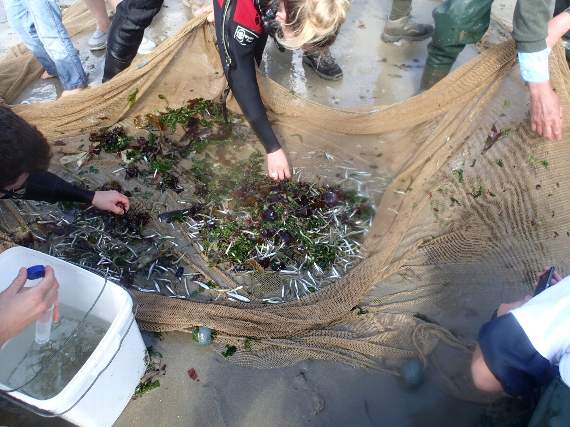
Many activities took place over the course of the weekend, including scientific surveys, guided walks and self-guided activities run by scientists and experts from participating organisations and attending as individuals.
Activities took place throughout the day and night exploring the local beaches, rock pools, marshes, woodlands and surrounding areas.
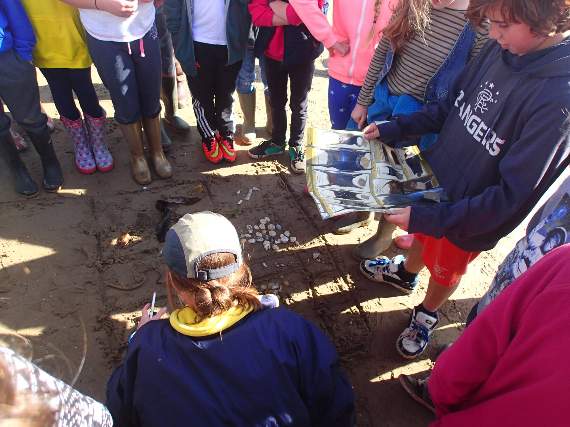
75 local school children from Salcombe, Modbury and Stokenham primary schools attended, as well as six home schoolers. The pupils joined experts on marine and woodland based activities, and were invited to visit stands and participate in activities at base camp. The MBA received positive feedback from the schools, both from the children and supporting staff.
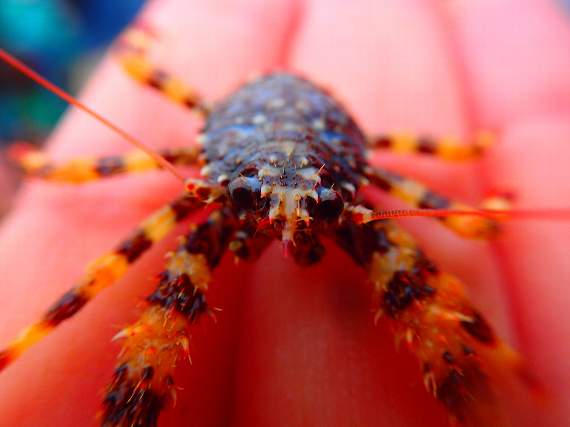
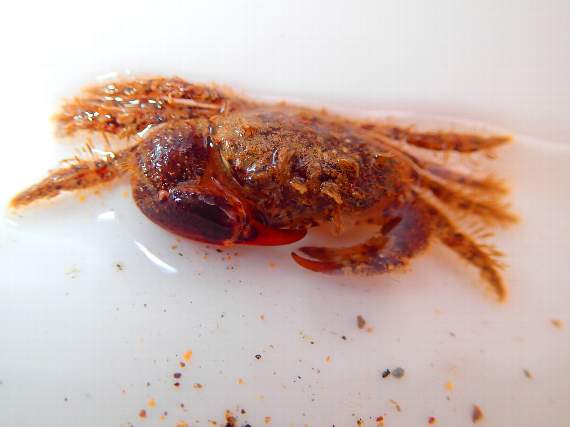
In total, 1,109 different species were identified in the survey, of which 304 were new records for the area.
Some of the highlights discovered included a non-native species of red algae, a rare species of millipede, a scarce ground beetle, a bright red weevil, a big lesser stag beetle, a large sea squirt, a seaslug and a lesser pipefish.
Comments
We've recently changed our login process. If you have an account for commenting, you will need to re-register on the login window.
This article has no comments yet. Be the first to leave a comment.